Space Race (Stage 3: Add Rules):

This is an updated version of the board game I have been posting about recently. The changes made were mainly influenced by the feedback I received by those who have played the original version of my game.

For reference I will include the rules of the previous version of my game as well as an image of the old game board and then explain the differences.

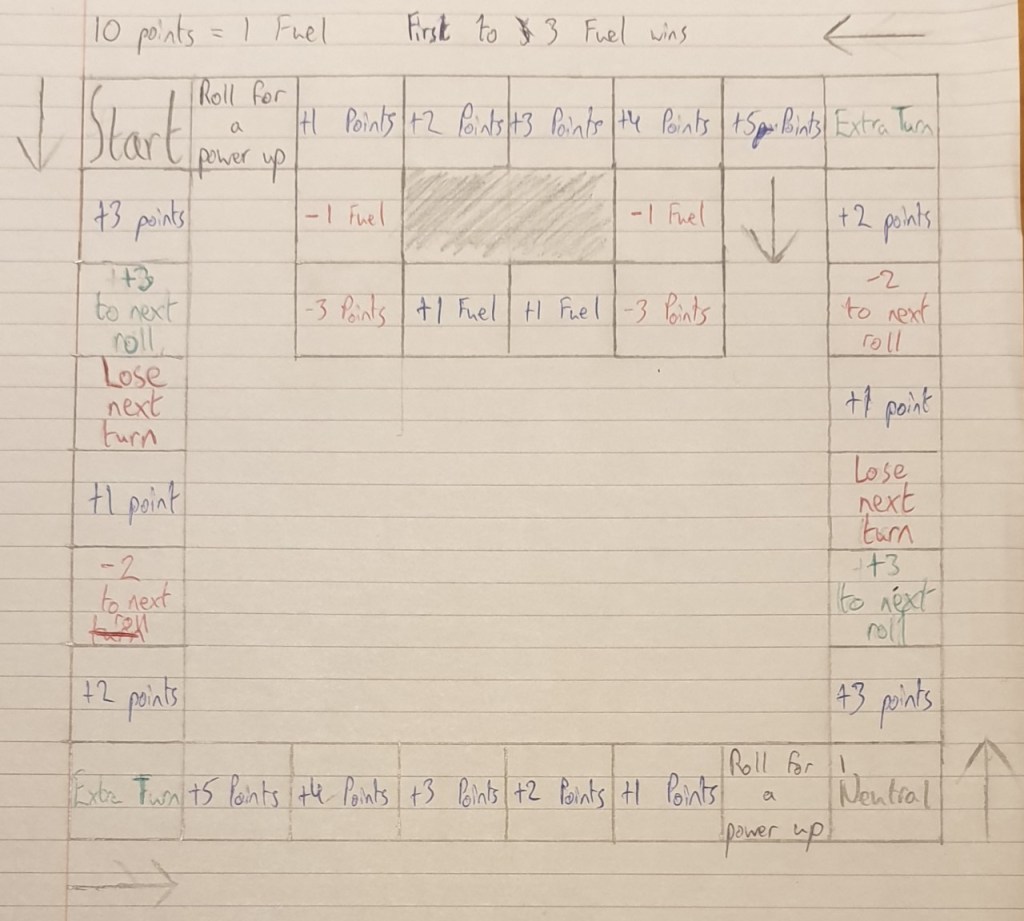
Old Game Board:
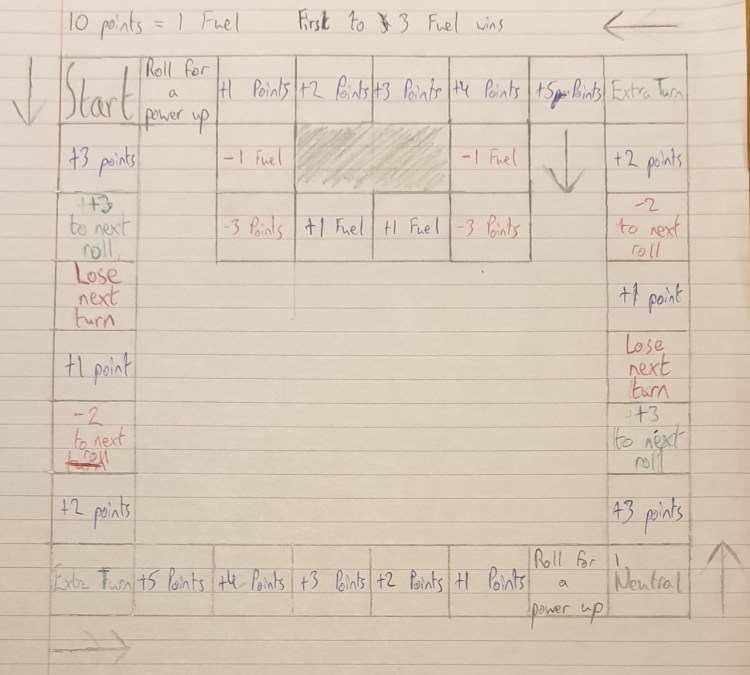
Old Multiplayer Rules:

  • Players take turns rolling a 6 sided dice to move around the board collecting points as they go.
  • Players get points when they land on a certain type of square. This square specifies how many points the player receives and they add it to their total. This square is highlighted in blue on the board.
  • Players can also lose points in the same way by landed on a square that takes away points from that player. This square is highlighted in red on the board. If a player has less points than the amount that will be subtracted they have a negative total.
  • 1 fuel is equal to 10 points and is converted automatically.
  • If a player lands on a square that says “Extra Turn” they receive no points but get to roll again. This square is highlighted in green on the board.
  • If a player lands on a square that says “Lose Next Turn”, that player’s next turn is skipped entirely. This square is highlighted in red on the board.
  • If a player lands on a square that says “”Roll For A Power Up” they roll a dice and depending on the roll they receive a power up which is used automatically.
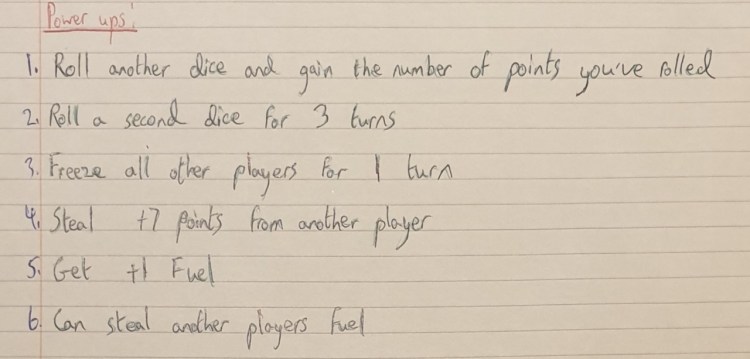
Power Ups
  • When stealing points from another player if the player chosen has less than 7 points they have a negative total number of points. This power up cannot steal fuel. Players can choose who to steal from.
  • When stealing fuel from another player if every player has no fuel to steal then the power up does nothing. Players can choose who to steal from.
  • At the top of the board there is a section where players can choose which direction they want to go but must call it before hand. This is done because this optional route has a high chance of reducing your fuel and points and prevents players from deciding to not go down the optional route if they would land on a fuel/point reducing square.
  • If a player reaches the starting point on the board they receive 1 fuel and continue to go around the board again until they have won if they haven’t done so already.
  • The game is won when a player has obtained 3 fuel.

Old Single Player Rules:

The single player rules for this game are very similar to the multiplayer version but with some small changes.

  • Players will try to get as much fuel and points as possible while travelling around the board 3 times in order to get the highest score as opposed to getting 3 fuel first.
  • Power ups that involve stealing points and fuel from other players are removed from play as well as freezing other players.. This means that the rolls needed for power ups have changed:

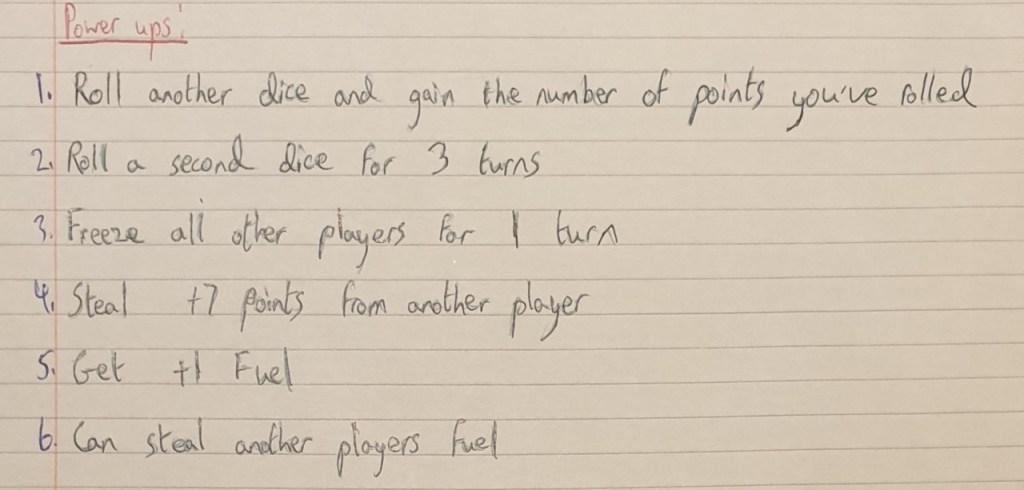
1-2: Roll another dice and gain the number of points rolled

3-4: Roll a second dice for 3 turns

5-6: Get +1 fuel

Current Game Board:

In the new game board I have added another high-risk zone to the bottom of the board. I have also changed some of the values of some of the squares that give or take points to and from players. Squares where players can steal points from other players have also been added to prolong the game and make it more fun.
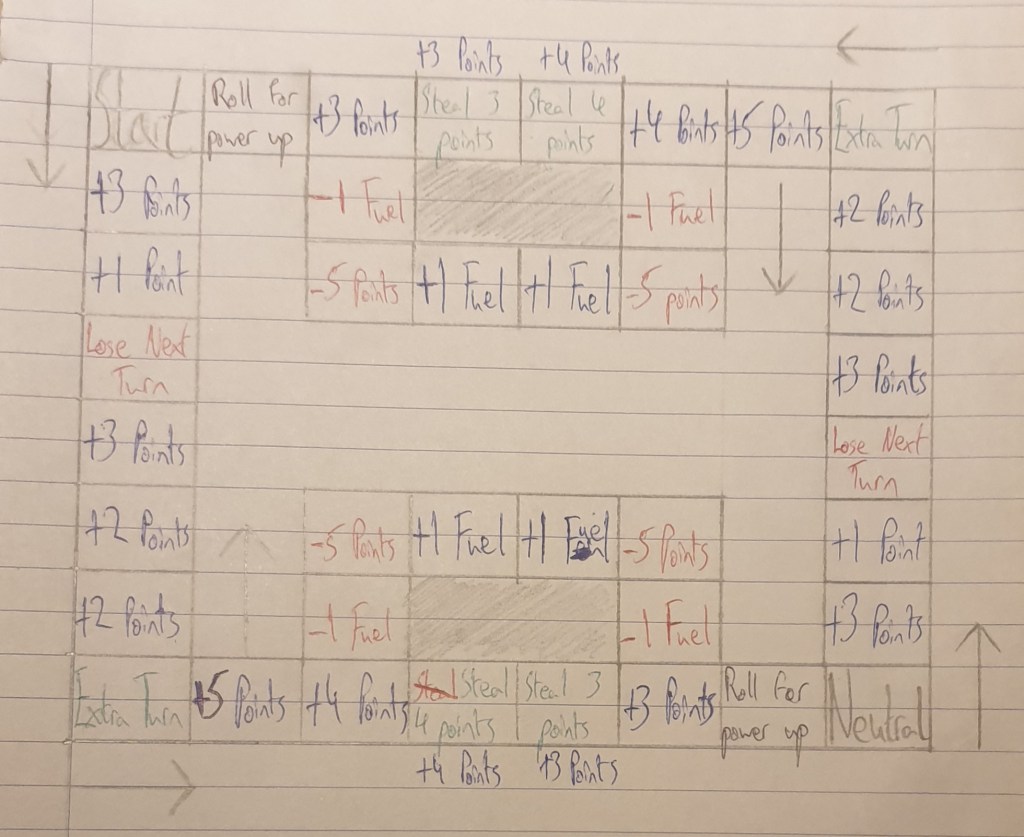
Current Multiplayer Rules:

Some things to note are that the number of points needed to get fuel and the number of fuel needed to win have been increased. There is also a new optional path for players at the bottom of the board and power ups are still the same.

  • Players take turns rolling a 6 sided dice to move around the board collecting points as they go.
  • Players get points when they land on a certain type of square. This square specifies how many points the player receives and they add it to their total. This square is highlighted in blue on the board.
  • Players can also lose points in the same way by landed on a square that takes away points from that player. This square is highlighted in red on the board. If a player has less points than the amount that will be subtracted they have a negative total.
  • 1 fuel is equal to 20 points and is converted automatically.
  • If a player lands on a square that says “Extra Turn” they receive no points but get to roll again. This square is highlighted in green on the board.
  • If a player lands on a square that says “Lose Next Turn”, that player’s next turn is skipped entirely. This square is highlighted in red on the board.
  • If a player lands on a square that says “”Roll For A Power Up” they roll a dice and depending on the roll they receive a power up which is used automatically. Power Ups are still the same.
  • When stealing points from another player if the player chosen has less than points that will be subtracted they have a negative total number of points and the player stealing still receives the full number subtracted. This power up cannot steal fuel. Players can choose who to steal from.
  • When stealing fuel from another player if every player has no fuel to steal then the power up does nothing. Players can choose who to steal from.
  • At the top and bottom of the board there are sections where players can choose which direction they want to go but must call it before hand. This is done because this optional route has a high chance of reducing your fuel and points and prevents players from deciding to not go down the optional route if they would land on a fuel/point reducing square.
  • If a player reaches the starting point on the board they receive 1 fuel and continue to go around the board again until they have won if they haven’t done so already.
  • The game is won when a player has obtained 5 fuel.

Current Single Player Rules:

Much like the previous build of the game the single player rules are still quite similar. A major difference however is when a player lands on a square where it says “Steal (x number of points)” they instead receive the number of points they would otherwise steal in multiplayer.

  • Players will try to get as much fuel and points as possible while travelling around the board 3 times in order to get the highest score as opposed to getting 5 fuel first.
  • Power ups that involve stealing points and fuel from other players are removed from play as well as freezing other players. This means that the rolls needed for power ups have changed:

1-2: Roll another dice and gain the number of points rolled

3-4: Roll a second dice for 3 turns

5-6: Get +1 fuel

Space Race (Stage 2: Playtest no. 1):

Playtesting my game were two of my friends who I shall refer to as Player 1 and Player 2. They both played game at the same time as it is primarily a multiplayer game currently. I received great feedback from them and they both seemed to have enjoyed my game.

Below I will mention each person’s feedback and then briefly describe what I am going to change based on the feedback and my own observations and why in a separate section.

Player 1’s Feedback:

  • Implement a limit on the fuel that can be collected on the map i.e. make it so the squares in the high-risk zone at the top of the board that give players +1 fuel can only be used once. This is to encourage players to steal from each other more often if possible.
  • Make the game board circular to resemble a planet as it is Sci-Fi based and the story of the game currently is to escape the planet.
  • Add more squares on the board that allow players to steal from each other which adds to the competitiveness of the game.
  • Add a second a high-risk zone at the bottom of the board to give players more opportunities to take risks while playing in exchange for a high reward.

Player 2’s Feedback:

  • Make the high-risk zone even longer than it currently is to make going down that path more dangerous whether playing single player or multiplayer and giving other player’s a chance to catch up if playing multiplayer.
  • Like what Player 1 said, Player 2 suggested I make the game board non-linear to fit with the theme of the game.

My Observations:

While watching the lads play my game, I noticed that the game was over very quick and it was very rare for the two of them to interact with each other e.g. stealing from one another or causing the other person to lose a turn via power ups which was not my intention.

What I Will Change Based On The Feedback I Received:

The main issue with my game right now I think is how long it lasts. The game often ends before it can get enjoyable and I have a few ideas of how I can fix this. I think I can solve this problem by both increasing the number of points needed to get fuel and the number of fuels required to win.

The other major problem with my game is player interactivity. As mentioned above players are not stealing from each other as much as I want them to, so the game is not as fun or competitive. To fix this I will most likely add more squares that do things such let players steal from each other.

In terms of changing the shape of the board itself in the future I may add another high-risk zone or change the shape of the board to be more circular.

Space Race (Stage 1):

Space Race is a board game in the Sc-Fi genre I was tasked to make for a college assignment where players compete against each other to be the first to get enough fuel to leave the planet.

Multiplayer Rules For Space Race:

  • Players take turns rolling a 6 sided dice to move around the board collecting points as they go.
  • Players get points when they land on a certain type of square. This square specifies how many points the player receives and they add it to their total. This square is highlighted in blue on the board.
  • Players can also lose points in the same way by landed on a square that takes away points from that player. This square is highlighted in red on the board. If a player has less points than the amount that will be subtracted they have a negative total.
  • 1 fuel is equal to 10 points and is converted automatically.
  • If a player lands on a square that says “Extra Turn” they receive no points but get to roll again. This square is highlighted in green on the board.
  • If a player lands on a square that says “Lose Next Turn”, that player’s next turn is skipped entirely. This square is highlighted in red on the board.
  • If a player lands on a square that says “”Roll For A Power Up” they roll a dice and depending on the roll they receive a power up which is used automatically.
The Power Ups Of The Game
  • When stealing points from another player if the player chosen has less than 7 points they have a negative total number of points. This power up cannot steal fuel. Players can choose who to steal from.
  • When stealing fuel from another player if every player has no fuel to steal then the power up does nothing. Players can choose who to steal from.
  • At the top of the board there is a section where players can choose which direction they want to go but must call it before hand. This is done because this optional route has a high chance of reducing your fuel and points and prevents players from deciding to not go down the optional route if they would land on a fuel/point reducing square.
  • If a player reaches the starting point on the board they receive 1 fuel and continue to go around the board again until they have won if they haven’t done so already.
  • The game is won when a player has obtained 3 fuel.

Board:

Game Board

Single Player Rules For Space Race:

The single player rules for this game are very similar to the multiplayer version but with some small changes.

  • Players will try to get as much fuel and points as possible while travelling around the board 3 times in order to get the highest score as opposed to getting 3 fuel first.
  • Power ups that involve stealing points and fuel from other players are removed from play as well as freezing other players.. This means that the rolls needed for power ups have changed:

1-2: Roll another dice and gain the number of points rolled

3-4: Roll a second dice for 3 turns

5-6: Get +1 fuel
Virush

For a college assignment we were asked to get into small groups of 2/3 and design a simple board game within 10 mins and record a video detailing the rules of the game and how it is played.

Brief Description Of The Game:

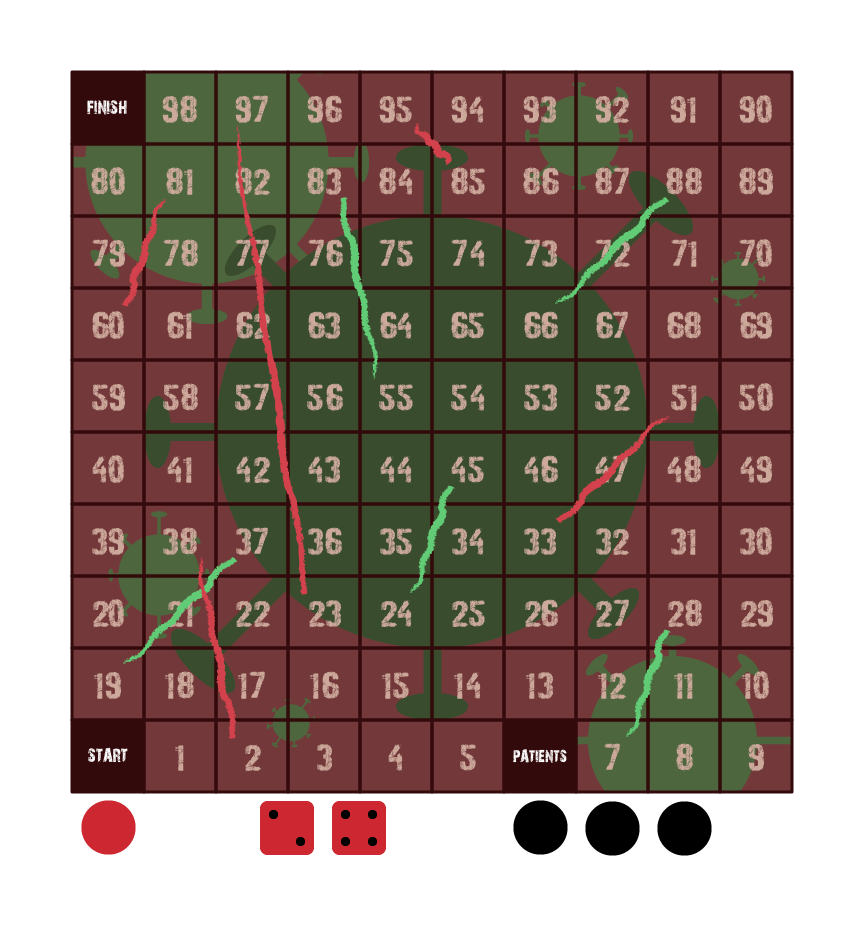
My group and I made a rendition of Snakes & Ladders in which one player plays as a virus and must hunt the other players (patients) before they are able to reach the end of the board. while doing this patients must avoid pathogens which make them fall rows and try to reach antigens which let patients climb rows. When a patient is caught by the virus they too become a virus and must infect the other patients.

Below is the video we recorded which goes into more detail of how the game is played:

https://www.youtube.com/watch?v=wVYKNjInY8U&feature=emb_err_watch_on_yt
An image of the game board made digitally by one of my teammates, Tom

What I Liked About Our Game:

What I liked about our game is that it is simplistic yet fun to play. We based our game off of Snakes & Ladders with a twist whereby the virus hunts down patients which really adds to the excitement of our game. Not only must you reach the end you also have to avoid the virus or catch the patients depending on your team.

Problems We Noticed During Development:

One of the main problems we had while making this game was the balance. We noticed at times it would be easy for the virus to catch the patients or the virus couldn’t catch up to them. To fix these problems we gave the patients a head start by moving their starting position up a few spaces and allowing the virus to travel in both directions and be able to climb or descend both antigens and pathogens.

What I’ve Learned/Achieved By Creating This Game:

What I’ve learned from creating this game is that it often takes trial and error to make a good game. It takes a while to ensure there is balance between players and it is not unfair.

Making this game also helped me with my teamwork skills. I’m now more comfortable in team exercises.

Great Games:

For an assignment in college I was asked to think about some great games that I have played in the past that I enjoyed playing and write a reflection on them. I was able to choose any type of game I wanted from board games all the way up to computer games. I had to think of at least 5 games of which I would discuss 2 of them.

The 5 games I chose are:

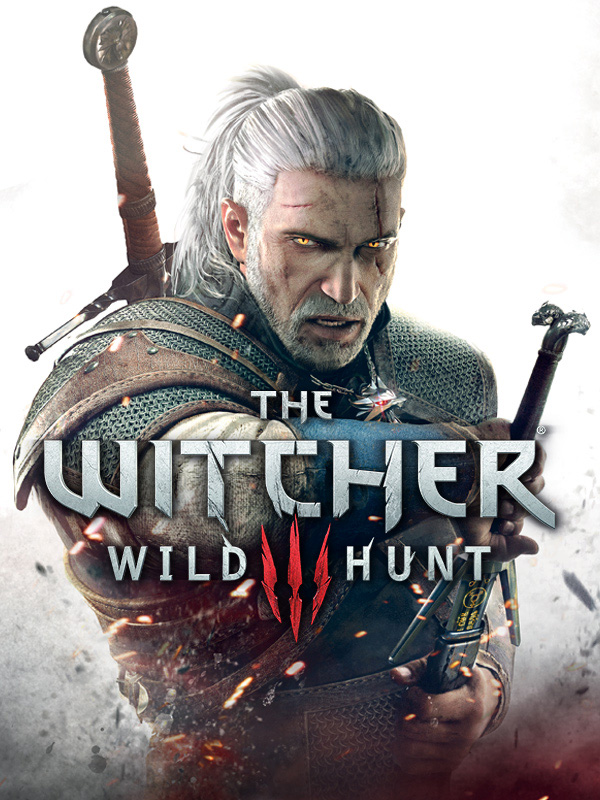
  • The Witcher 3: Wild Hunt – Third person single player open world RPG, play as the main character Geralt of Rivia, a monster hunter for hire.
  • The Elder Scrolls V: Skyrim – First/third person open world RPG, play as a custom-made character who is the prophesised Dragonborn, a dragon slayer.
  • Minecraft – First/third person single and multiplayer open world sandbox adventure, build and create whatever you want or challenge the games bosses e.g. Ender Dragon.
  • Crackdown 2 – Third-person action-adventure game, play as a crime stopping genetically modified super soldier.
  • Grand Theft Auto V – Third person, single and multiplayer open world game, play as 1 of 3 main characters in the single player campaign or a custom-made character online and commit crimes with friends.

Of these 5 games the 2 that I will be talking about are The Witcher 3: Wild Hunt and Crackdown 2.

The Witcher 3: Wild Hunt

Game World:

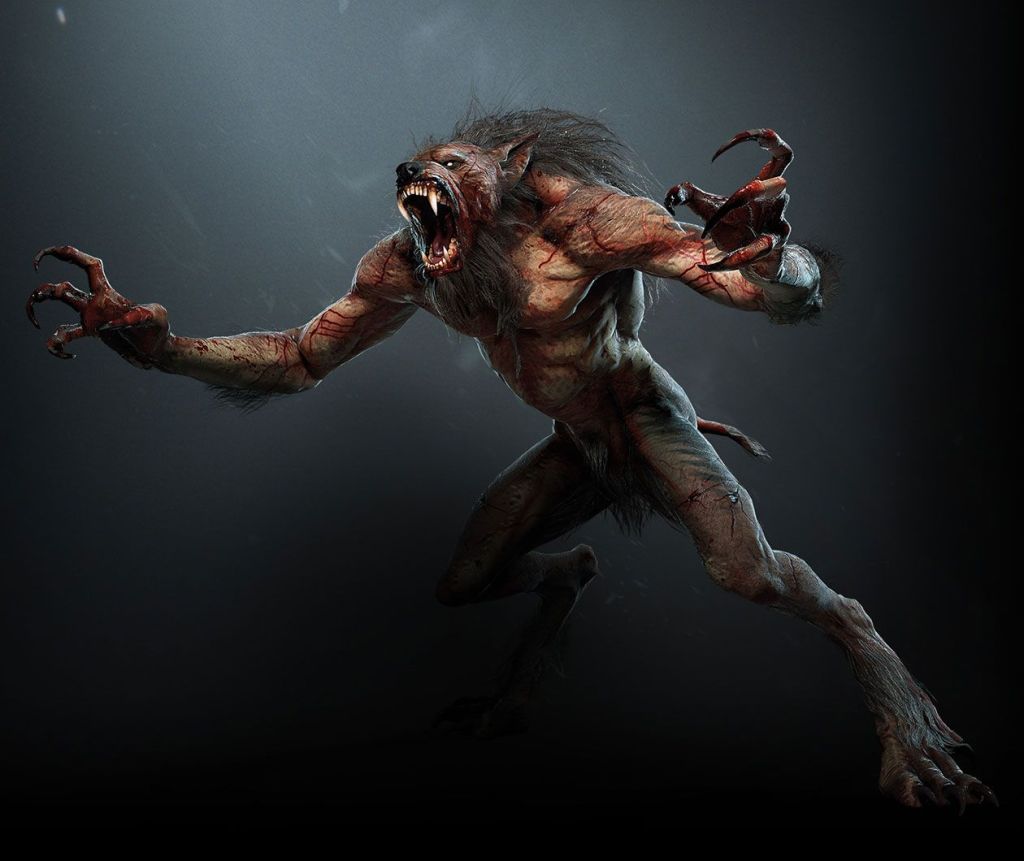
Werewolf

The world of Witcher 3 is inhabited by many different species of monsters e.g. werewolves and griffins and creatures such as dwarves and elves. It is also a world where magic is commonplace. Sorcery is practised across the world and it isn’t so farfetched to see curses cast upon the inhabitants of this world which often involve turning them into a monster.

The origin of these creatures and magic stems from an event known as “the conjunction of the spheres”. This is where hundreds of years ago several worlds and dimensions collided together and overlapped which opened portals allowing magic to flow into the witcher world and monsters to enter it.

There are many different cultures and countries in this world which is like our own. For this reason, there is often racism between the different species of this world and those who practice magic are frowned upon.

Interaction Model:

Players of this game interact with the game world by playing as Geralt of Rivia. Geralt is known as a witcher in this game. Witchers are men who were taken as children and subject to mutations within their bodies making them superhuman. These mutations give witchers cat like eyes which allow them to see better than the average human. They also have a better sense of smell and better hearing than any human. They faster, stronger and can also cast simple magic in battle. It is also said witchers lose their emotions due to these mutations.

Igni

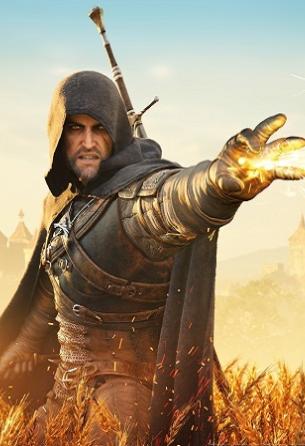
Players interact with this world by using the abilities of Geralt such as the ability to shoot fire from his hands (Igni) to burn things or by using one of his 2 swords in melee combat to defeat enemies. Players are also able to steal items found in game and speak to the NPCs as Geralt. While playing as Geralt you can use your enhanced sense or “Witcher Senses” as it is known in game to track down enemies and solve murders or other mysteries.

Game Perspective:

Witcher 3 is a third person game where the camera is always behind Geralt looking over his shoulder. The reason the game is third person is so that players can quickly look around 360 degrees and see all their enemies during combat. By being in third person you can see clearly Geralt’s dance like swordplay and really appreciate the animation of the game.

Game Dimensions:

Physical:

The playable world in Witcher 3 is 3-D and is very large in size but when players are out of bounds, they are teleported back within the playable area near where they just were. This can harm suspension of disbelief.

Temporal:

Meditation

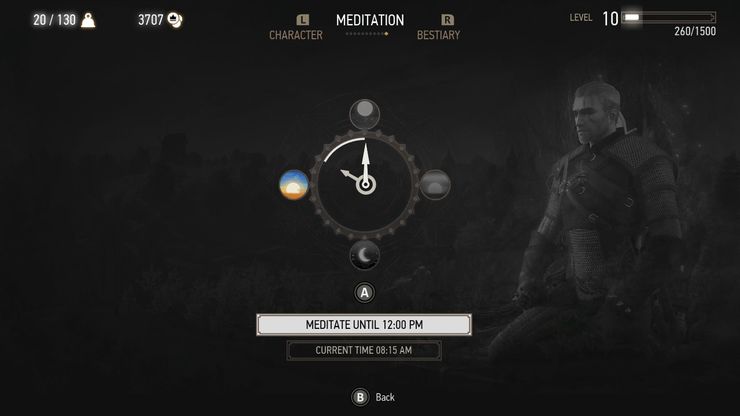
As time passes by there is an active day/night cycle. Sometimes it is day and at other times it is night. Time in this game can sometimes affect gameplay, for example some creatures may only come out at certain times in the day and can only be hurt at certain times. The game is in real time and the time can be adjusted when a player rests/meditates, making time go by faster.

Envrionmental:

In this game there are many established beliefs and values in the world and a lot of history. There are also many ceremonies and rituals which are practised in this world.

A Forest In Witcher 3

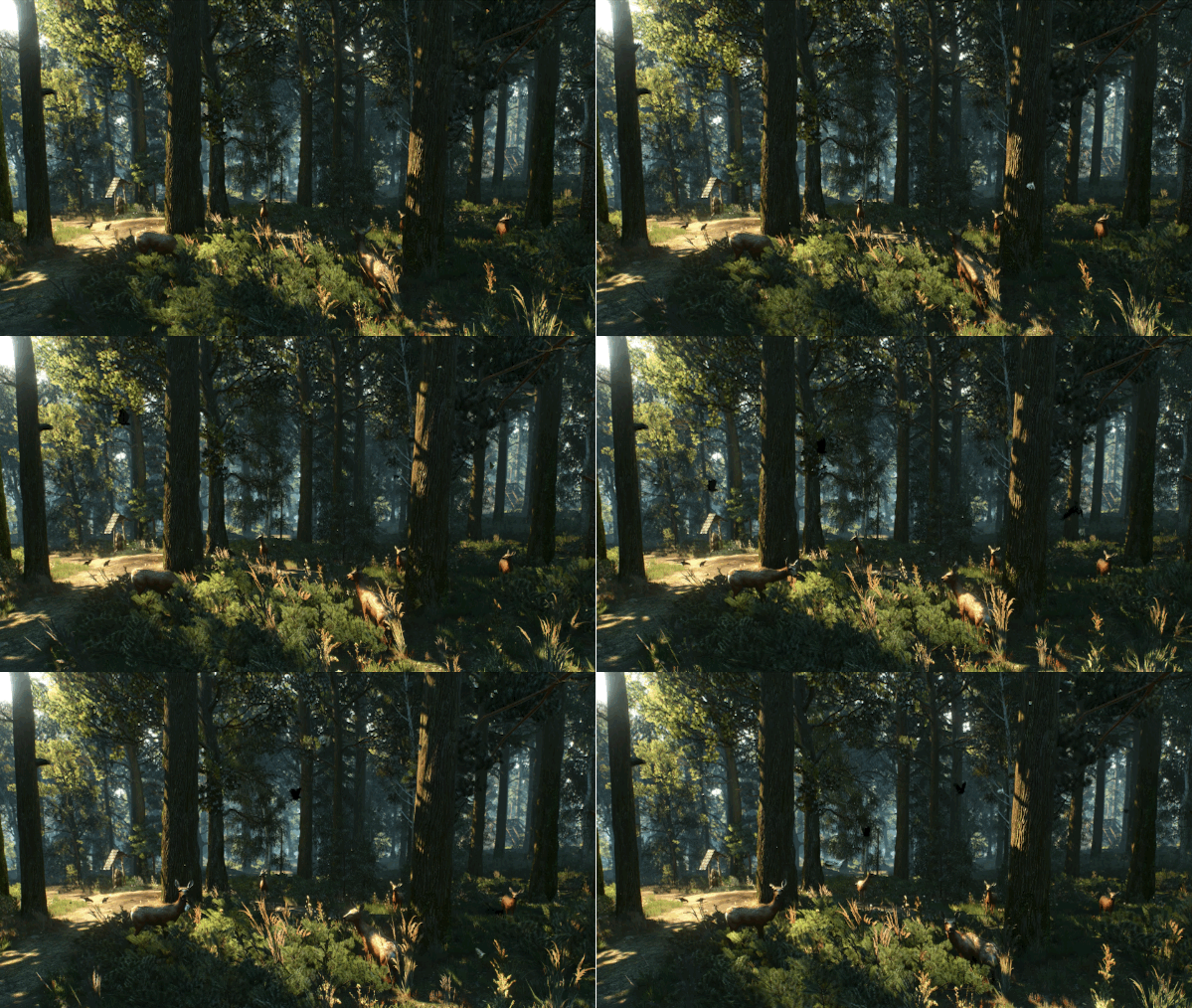
Physically there is a lot to look at in this game. The graphics and detail are amazing. You can see anything you’d imagine seeing in the real word from flora to fauna. A lot of the playable world is covered in forest and in these forests are plenty of plants, bushes and even animals like rabbits and wolves.

Ethical:

As mentioned above there many different cultures with many different belief systems and even social structures. Some species have it much easier than others and that goes for those who practise magic or any other taboo. This plays an effect on the gameplay allowing players to help others if they see fit based on their own morale compass. There is rarely ever a clearly good option.

Emotional:

Emotions of the characters in this game are expressed greatly thanks to the cutscenes of this game. One of the great things about this game is that characters react to your actions which can give you a sense of guilt if you did something like kill someone or happiness if you helped someone. Characters can cry or jump with joy depending on your actions. They can showcase happiness, sadness, show disdain, anger and many more emotions.

Game Challenges:

Some of the main challenges of this game include:

  1. Puzzles – Pulling specific levers in a specific order to open a door.
  2. Combat – Combat can be hard depending on the difficulty selected and how many enemies the player is fighting and with what items they do so with. Bosses can also be fought in game.
  3. Races – Players can participate in horse racing to win prizes
  4. Exploration – Exploring a dungeon to find a key which will open a locked door allowing you to proceed with a mission.

Best Game Mechanic:

There are many great game mechanics in the Withcer 3 that make it a great game, but my favourite mechanic is the choice of dialogue.

Dialogue Options

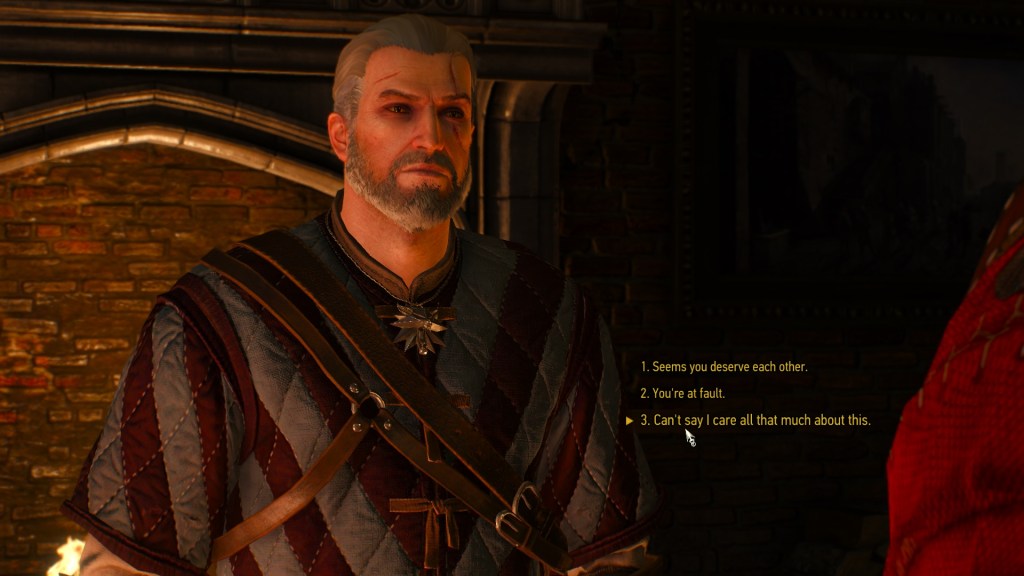
When you take on a quest for example you may be asked to find the person who murdered the quest giver’s son. As you play through this quest you discover the killer and their reason for killing but may have a dilemma. You might think the killer had a good reason to kill and when you find them you are able to talk to them and let them off the hook sometimes even for a reward better than what the quest giver will give you for finding the killer. Alternatively, you can do the right thing and turn the killer in. You are often faced with choosing the lesser evil. Geralt has a very good quote about this “Evil is evil, lesser, greater, middling, the degree is arbitrary, the definition is blurred, if I’m to choose between one evil and another I’d rather not choose at all”. What you say can greatly alter the outcome of each quest and the main story.

Another great feature about the dialogue is you sometimes can bribe, or mind control them in order to finish a mission faster and/or avoid the violent outcome.

Feedback:

Positive Feedback:

Positive feedback is achieved wen you complete a quest and you get new items such as armour/weapons and music plays to let you know you’ve a good job. While in combat you receive positive feedback when you slice an enemy in 2 with your sword. Sound effects play when you level up or when you craft a new item/weapon.

Negative Feedback:

Negative feedback is achieved when you want to craft an item and the resources needed to make it are marked red meaning you don’t have enough. During combat dying is a form of negative feedback.

Crackdown 2:

Game World:

Crackdown 2 is set in the near future where crime is rampant and crime syndicates have taken over some cities. The main crime syndicate is known as Cell. The game is set in Pacific City which in our world would be set somewhere in America. There have been great scientific advances made in technology and genetically modified super soldiers have been made to combat crime and regain control of the city.

Freaks/Zombies

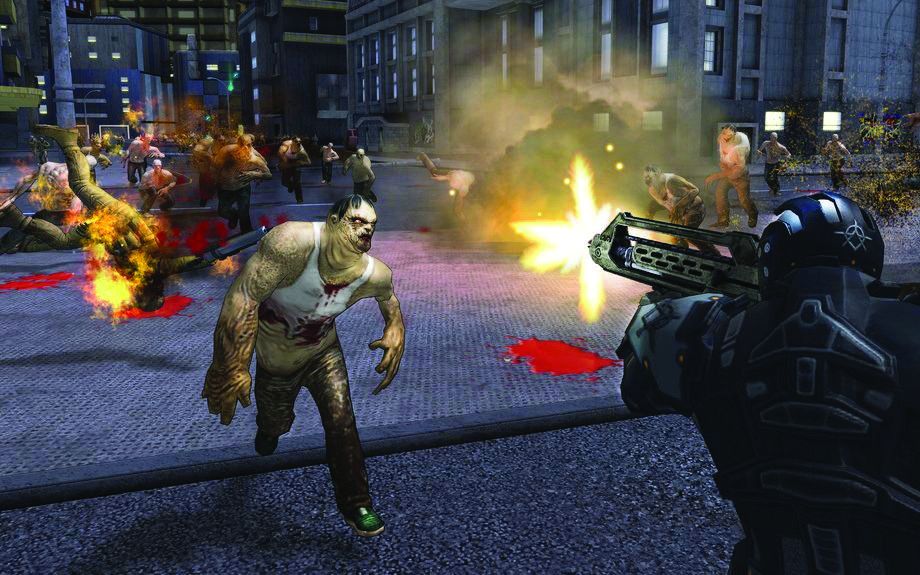
A zombie virus has spread throughout the city causing the streets to be flooded with zombies/freaks at night. The super soldiers were also made to stop this disease from spreading.

Interaction Model:

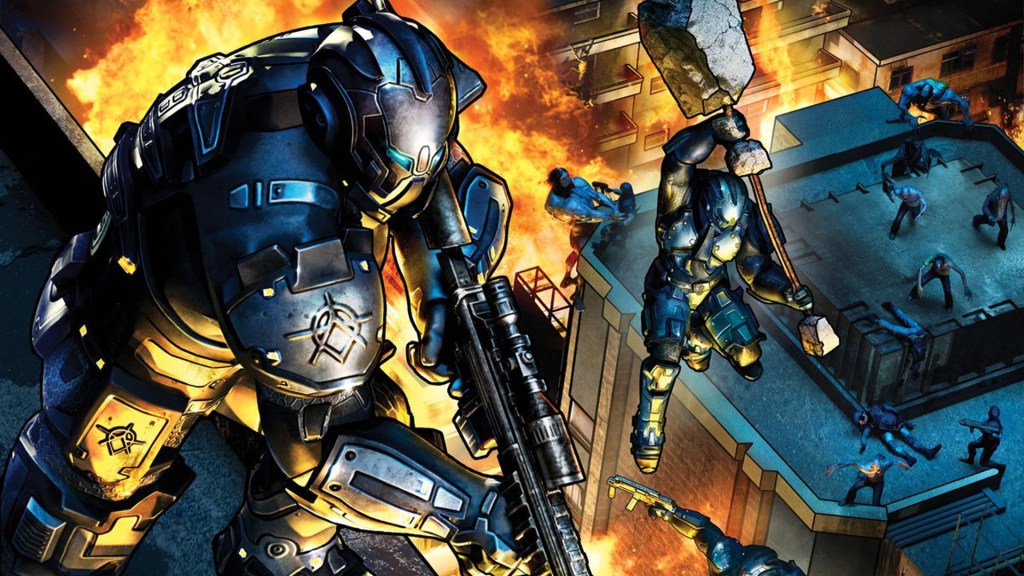
In this game players interact with the world a genetically modified super soldier. You run, jump and climb over buildings and have the ability to throw cars and trucks over long distances. You can kill enemies and civilians with various weapons such as guns and explosives and can also use your super strength to punch/kick enemies to death or throw cars at them.

Beacon

Players can also use their abilities to capture strongholds belonging to enemies, slowly retaking the city bit by bit. You can also destroy zombie nests and light up beacons which stop zombies from populating the area.

Game Perspective:

Crackdown 2 is a third person game meaning like the Witcher 3 the camera is always following the player from behind looking over their shoulder.

Game Dimensions:

Physical:

Crackdown 2 is a 3-D game with a large open world to explore. When players reach the end of this world, they hit an invisible wall preventing them from going any further and receive a notification saying this. This can harm suspension of disbelief.

Temporal:

Like the Witcher 3 time can change throughout your play. While the time can’t be altered by the player when it is night time the streets are flooded by zombies or “freaks” as they are known in this game which makes combat more frequent.

Environmental:

There is a belief that super soldiers as well as the zombies are both freaks and abominations in the world, but the inhabitants of this world can only tolerate the soldiers as they help keep them safe.

Pacific City

Graphically the game isn’t all that special as the game is over a decade old. The physical environment of the game includes the large Pacific City which has many skyscrapers and buildings which can all be climbed by the player.

Ethical:

This game doesn’t do much to challenge our thinking of what is good and bad as players are mostly only killing zombies and criminals with no context as to why they are committing crimes unlike in The Witcher 3.

Emotional:

The emotional expression of characters in Crackdown 2. In contrast to the Witcher NPCs only have a small range of emotions and there are no cutscenes to better show their emotions. NPCs in Crackdown 2 are only ever happy, scared or annoyed.

Game Challenges:

Some of the main challenges of this game include:

  1. Combat – Players will often find themselves fighting large numbers of enemies that can easily overwhelm if they are not careful.
  2. Races – Players can enter races in order to level up some of their skills.

There are not a lot of challenges to this game as it is very simplistic.

Best Game Mechanic:

In my opinion the best mechanic in Crackdown 2 is the character progression. Players level up their characters skills by collecting different coloured orbs located around the city. Each coloured orb represents a different skill. For example, red is for strength and green is for agility. Collecting orbs to level up encourages players to explore the world. There are five main skills

  1. Strength – Allows you to lift heavier things and throw them further.
  2. Agility – Lets you run faster and jump higher.
  3. Firearms – Improves your accuracy with guns and unlocks new guns.
  4. Explosives – Increases the radius of your grenade’s explosion and unlocks new grenades.
  5. Driving – Improves your handling of vehicles and unlocks new vehicles.

Feedback:

Positive Feedback:

Max Level Character

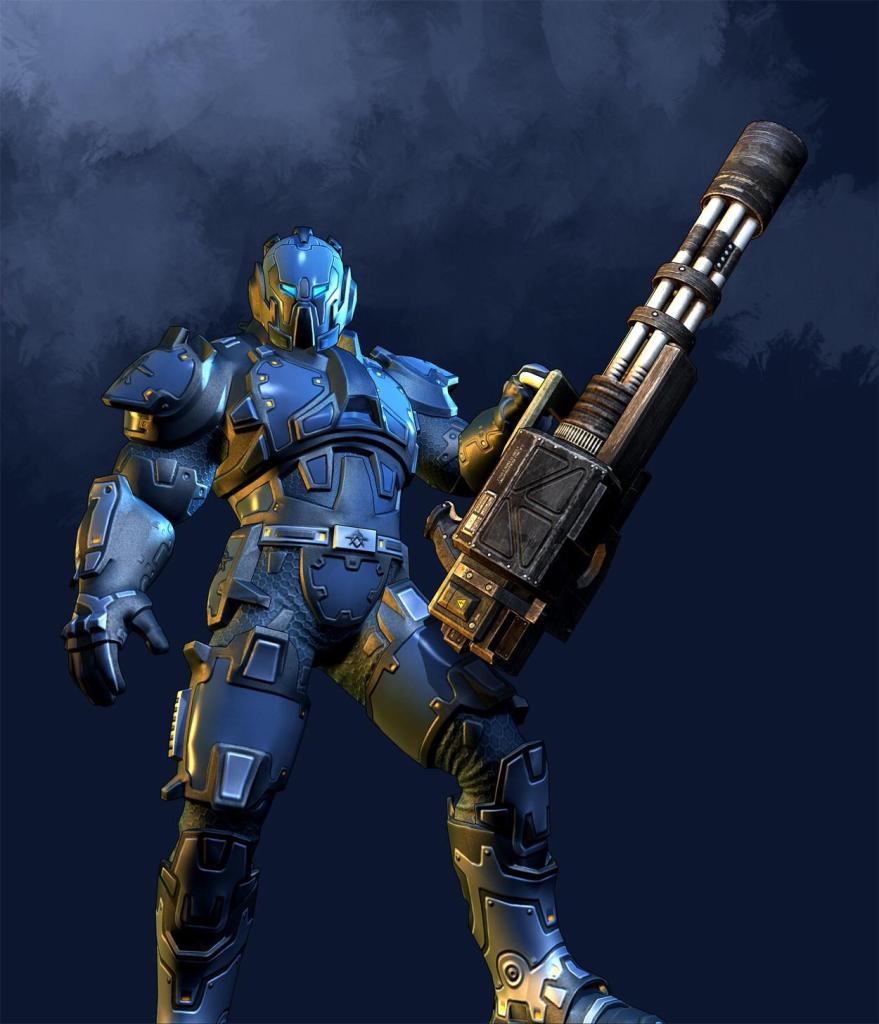
Positive feedback is achieved in this game mainly when you level up a skill or receive experience. When you receive experience lots of small orbs hover around you and then get absorbed by you which is satisfying. When you level up you release a shockwave from your body which knocks down and kills enemies if they are beside you. When you level up your character gets physically bigger and the armour you wear changes which shows you how far your character has come. When this happens the narrator/assistant of your character compliments you and explains how you have gotten stronger. Whenever you kill a group of enemies or take over an enemy stronghold he also compliments you.

Negative Feedback:

The main source of negative feedback you receive is when you are low on health and die. When you are low on health you hear a loud beeping noise and if you die the narrator/assistant of your character makes fun of you and swears at you.

The Royal Game Of Ur:

History of The Royal Game Of Ur:

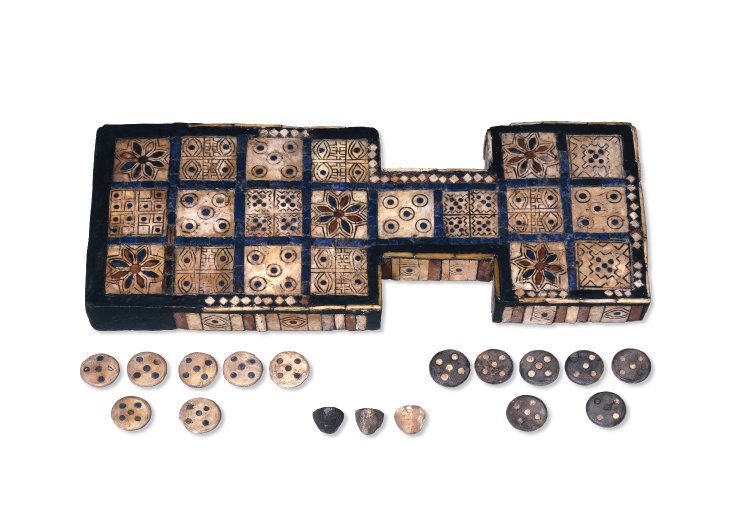
The Royal Game Of Ur is an old two-player board game which has been played as far back as the early third millennium BC in ancient Mesopotamia and was popular across the Middle East.

Equipment:

To play Ur you will need a very specific type of board with two blocks of squares (4X3 and 2X3) connected by a bridge of 2 squares. The board should also be marked with five rosettes. Players will also need 7 coloured beads and 3 dice/a die-four.

How To Play Ur:

The rules of Ur can be a bit confusing at first but with enough practice you can get the hang of it.

The main objective of the game is to be the first player to remove all 7 of your beads off the board.

1. No special rolls need to be made in order to start a bead.

2. Players are required to roll the dice to figure out how many spaces they need to make.

3. Both players enter the board on the square which is right under the rosette on the middle row of play spaces (players enter directly at opposite sides)

4. Players move their bead along the longer side of the larger block of squares towards the rosette that is in the corner, turning onto the middle row and proceeding across the bridge to the second block of squares.

5. Once a player reaches the end of the row, they then turn onto the row on the opposing player’s side of the board, exiting after the rosette.

6. When a player lands on a rosette, they are able to roll the dice again and continue to play, however during their next roll they don’t have to move the bead on to the rosette.

7. A player can have as many beads as they like on the one square, but only one bead is able to land on a rosette.

8. If a player lands on a square which is occupied by the opposing player’s beads, the opponent’s bead is then removed from play, which then requires the player to start their bead once again.

9. A player is required to roll an exact number for their bead to leave the board.

Strategy Involved:

Ur is a somewhat complicated game which also has a lot of strategies I’m sure but I am not good enough at the game to find them all. All I know is that there is a heavy importance on when and where you move you beads.

My Thoughts On Ur:

Overall I thought Ur was an alright game. The rules are somewhat difficult to understand at first which can take away from the fun of the game and deter new players. That aside I still had fun playing this game.

Latrunculi:

History Of Latrunculi:

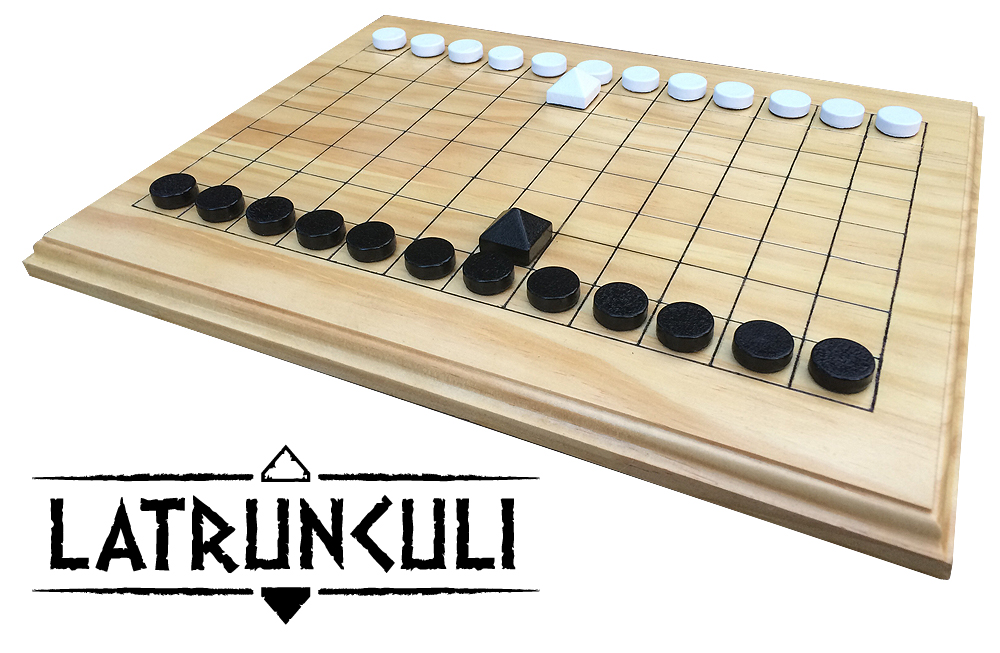
Latrunculi is a very old game that is similar to Petteia in game-play and history. It is known to be commonly played during the time of the Roman Empire.

Equipment:

To play Latrunculi you need a board that is 12X8 squared with 96 squares. Also needed are 12 beads for each player, 12 of one colour and 12 of another.

How To Play Latrunculi:

Latrunculi has simply rules and plays very similarly to Petteia.

The main objective of the game is to capture all of the opposing player’s beads or by surrounding their king bead on 4 sides.

1. Players take turns to move 1 bead on a board through any number of empty spaces either horizontally or vertically.

2. Beads are only allowed to move onto empty squares and can’t jump over other beads.

3. A bead is “alligatus” (blocked) when it is surrounded on 2 sides (left and right, or top and bottom) by the beads of their opponent’s beads. A row of beads that are straight and uninterrupted can also be alligatus.

4. A bead that is alligatus cannot move and should be flipped upside down.

5. A player is able to protect their beads that are alligatus by surrounding one one of the beans surrounding their alligatus bead.

6. During the next turn, a player who has put the opposing player in alligatus is able to capture the surrounded beads and remove them from play.

7. Beads can only be captured if the beads are still holding their position on either side of the bead that is alligatus and are also alligatus.

8. If a player moves their bead in between 2 of the opposing player’s beads the bead is alligatus.

9. A bead in a corner can be captured when it is surrounded on both sides of the corner.

10. The king bead is able to move just like a regular bead and can also jump over any number of beads of the same colour in a straight line (horizontally or vertically) to an empty space on the board. You can chain these moves together. Beads that are jumped over cant’t be captured.

11. A king bead can only be captured if you surround it on all 4 sides.

12. All beads that are captured are removed from play.

Strategy Involved:

Thinking ahead is a key aspect to playing this. You are able to bait your opponent’s into moving where you want them to and capture their pieces.

My Thoughts On Latrunculi:

Latrunculi is a great game with many similarities to Petteia and it can be argued that it is a better version of the two. It really gets you thinking.

Petteia:

History Of Petteia:

Ludus Latrunculorum or Petteia as it is known as by the Greeks is an ancient two-player board game which was played throughout the Roman Empire.

Equipment:

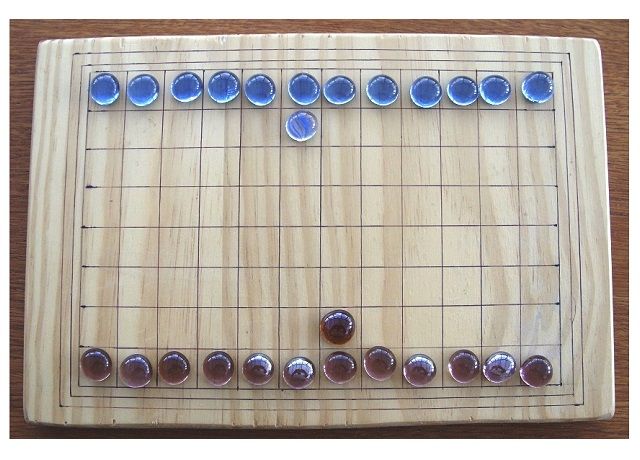
To play Petteia you need an 8X8 board with 64 squares and also 8 beads for each player of the colour of their choice.

How To Play Petteia:

The rules of Petteia are very easy to understand and the game is easy to play.

The main objective of Petteia is to capture all of your opponent’s pieces.

1. Players take turns moving a bead 1 square horizontally or vertically.

2. These beads can only be moved onto squares that are empty.

3. A bead is then captured when it is surrounded on 2 sides (left and right or top and bottom) by the beads of their opponent.

4. By surrounding pieces it is possible for a player to capture multiple pieces.

5. A bead that is located in the corner of the board can be captured when 2 beads are placed around that corner.

6. The outside of the board cannot be used in order to capture beads. Beads must always be used to capture other beads.

7. A bead is able to move between 2 of the opponent’s beads without it being captured.

8. All bead that are captured are removed from play.

9. The game is won when one player has all his/her pieces captured.

Strategy Involved:

A lot of strategy is involved in playing Petteia. Similar to checkers you have to carefully move your pieces to capture the opponent’s pieces while also protecting your own which allows you to plan your moves in advance.

My Thoughts On Petteia:

Petteia is a very fun and competitive game to play with friends. It is a good game to play to exercise your brain. I really liked the aspect of having to strategically move your pieces while playing.

Checkers/Draughts:

History Of Checkers:

Checkers is a very old two-player board game that has been played for millennia. A board that resembled a checkers board was found in Ur and dates back as far as 3000 BC.

Equipment:

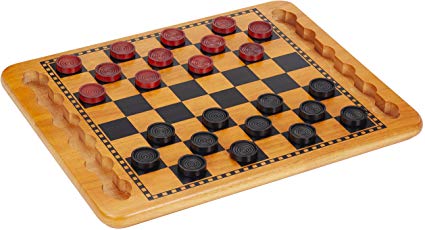
In order to play Checkers you need a Checkers Board as pictured above and 24 playable pieces, 12 of a different colour each.

How To Play Checkers:

Checkers is a simple game to understand and play.

The main objective of Checkers is to take all of your opponent’s pieces.

1. The dark squares on the board are the only places where the pieces can be positioned. All of the light squares must remain empty.

2. Each turn a player moves their piece forward diagonally to a nearby square that is empty, or by jumping over an occupied square provided that the square beyond that is empty.

3. If a player jumpers over their opponent’s piece, they have captured that piece and it is removed from play.

4. All pieces are initially referred to as a man but if it can manage to reach the opposite side of the board it becomes a king. When this occurs the player can stack an additional piece on top of the original to show that it is now a king.

5. Men are only able to move forward, but a king is able to move diagonally forward and also backwards.

6. More than one piece can be jumped by both kings and men only if there are successive empty squares ahead of each piece that is jumped over and captured.

7. The game ends when one player has captured all of the other player’s pieces.

Strategy Involved:

Players can easily plan several moves ahead when playing checkers in order to systematically take their opponent’s pieces and keep their own pieces safe.

My Thoughts On Checkers:

I really enjoyed my time playing Checkers. It is a very simple yet also strategic game where you can lose a game if you make a small mistake.

Mancala:

History Of Mancala:

The first recorded evidence of Mancala an ancient two-player board game was found in the Israel city of Gedera which was inside a Roman bathhouse where pottery boards and rock cuts were discovered that date back to between the 2nd and 3rd century.

Equipment:

Equipment for Mancala includes a board which varies in size and the materials it is made from. This board has several holes (referred to as “pits”) in them to store marbles/stones which are used while playing this game. The configurations of the board can vary as mentioned above for example some boards have 2X6 to 2X10 holes and others have 4X40.

How To Play Mancala :

The rules of Mancala are very easy to pick up as I quickly got the hang of it while playing.

The primary objective of Mancala is to capture more stones than the opposing play by the end of the game.

1. First you need to get a Mancala board which has 2 rows and 6 columns. If you do not have one at the ready you can use an empty egg carton.

2. Next four marbles /stones are to be placed in each of the 12 holes.

3. Both players have a store (known as a Mancala) to the side of the board.

4. The game starts with one of the players picking of each of their marbles in a hole (pit) on their side.

5. The player deposits his marbles one at time in each hole moving counter-clockwise until he/she has no marbles left.

6. If the player reaches their store, they place one of their marbles in it. If they reach the opposing player’s store then they must skip it.

7. If the last marble a player places is in their own store, they receive an additional free turn.

8. If the last marble that is moved lands in an empty hole on that player’s side, that player captures that marble as well as any marbles in the hole opposite to it.

9. All captured pieces are to placed in your store.

10. When one side of the board is completely empty the game ends.

11. The player that still has pieces on his/her side of the Mancala board when the game is over captures all of those pieces.

12. The player who has the most marbles in their store at the end of the game wins.

Strategy Involved:

Given the simplicity of the game I found that strategies could still be carried out and that I could plan a couple of moves head. Such strategies include moving certain pieces at certain times to capture the opposing player’s pieces.

What I Thought Of The Game:

Overall I thought that Mancala is a very fun gun game to play due to the involvement of strategy and critical thinking.

Design a site like this with WordPress.com
Get started